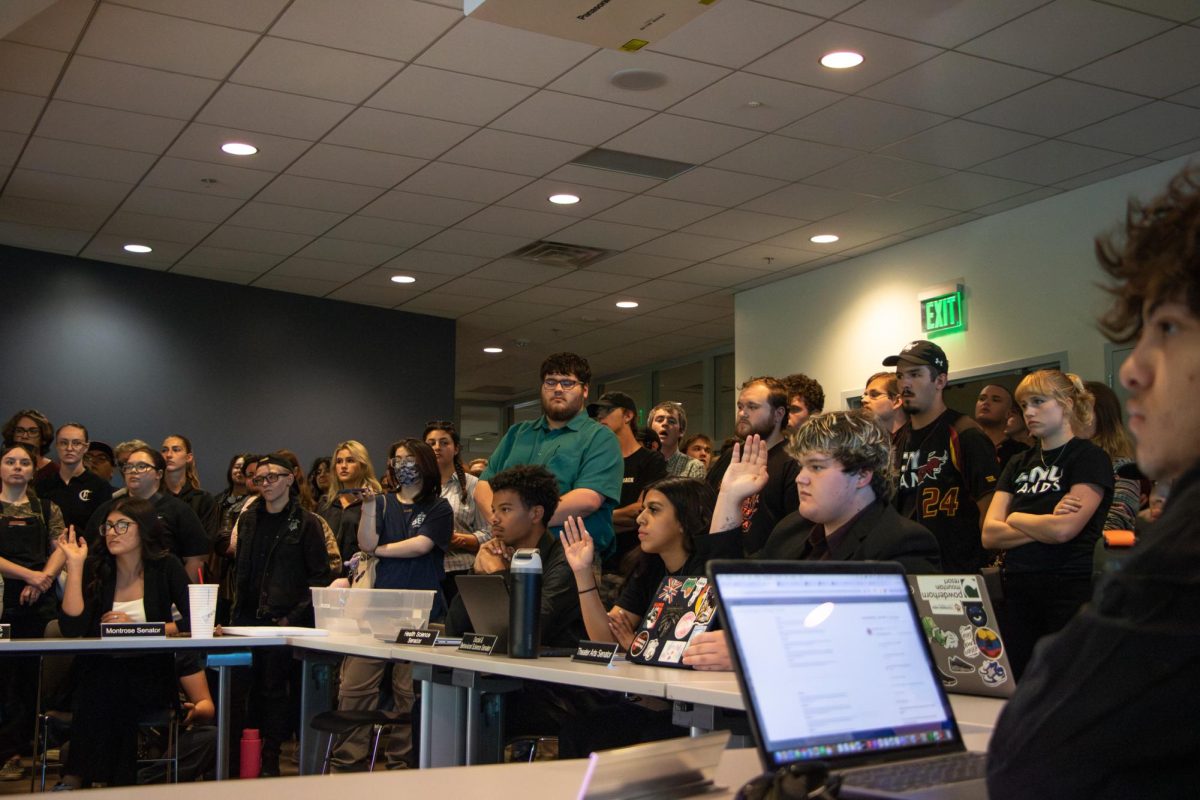


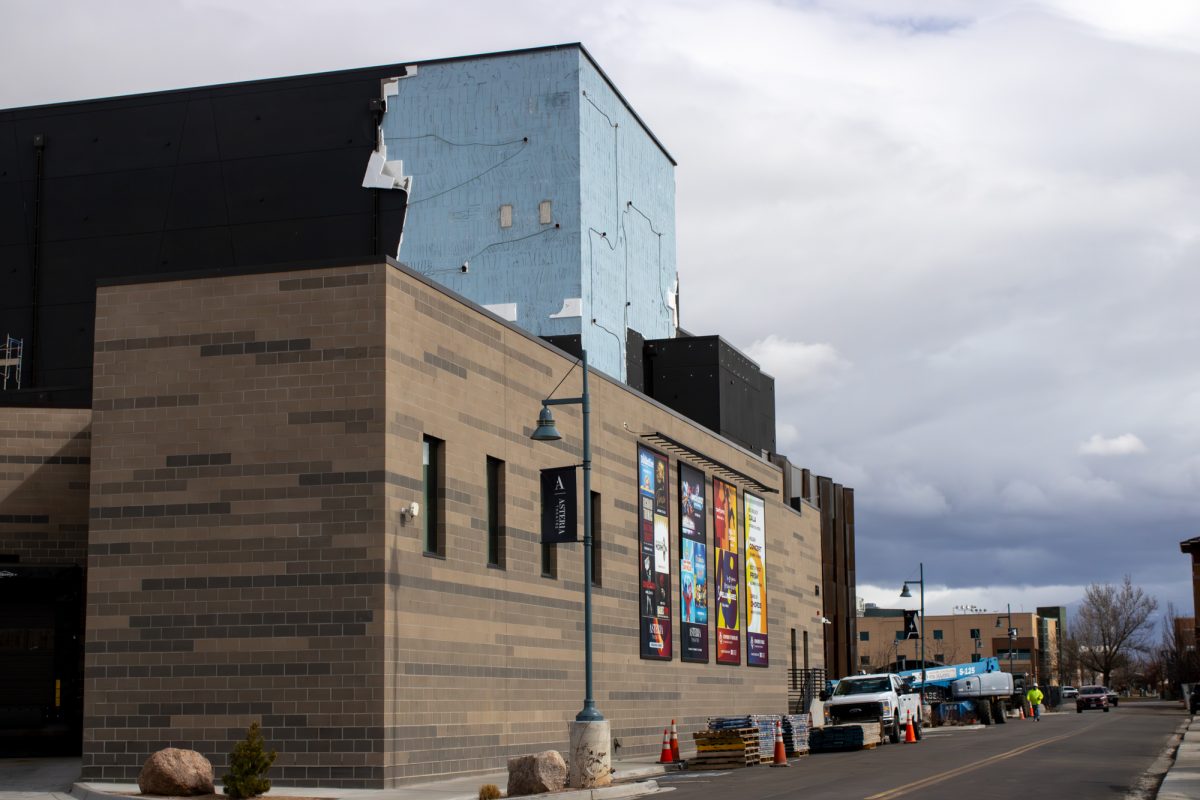
After a series of scheduling conflicts left some performing arts students feeling disenfranchised, the Criterion dug into why the Asteria was built and who it is for.
CMU’s initial construction funding request for what would become the Asteria Theatre was originally submitted as part of a “rebuild” for Robinson Theatre according to FY22-23 Capital Construction Request to the Colorado State Legislature.
Asteria Theatre is considered a “capital project.” Projects of this nature generally receive most of the funding from the state. $39 million of the $55 million required for Asteria Theatre came from the state of Colorado. Building the Asteria Theatre, however, was not the original plan.
Community Relations and Communications Manager Hayley Hahn addressed in an email how CMU restructured the original plan into an entirely new “dual purpose facility.”
“Multiple rounds of conceptual development, refinement and engagement with the Colorado General Assembly Capital Development Committee,” Hahn said. “The theatre remains an extension of the performing arts department.”
Junior acting and directing major Ella Joseph said the addition has been mostly positive for the theatre department. The Asteria Theatre employs students from the department and Joseph believes it provides space for larger operations than Robinson Theatre can.
“[It feels] more like they kind of lend the space to us while we’re in there, rather than an extension of the whole department,” Joseph said.
President John Marshall said savings were the motivation for the pivot toward Asteria.
“We had never considered going to a blank canvas and starting from scratch until our architect was like, ‘You’re probably gonna save 10-ish million dollars by doing that.’ I don’t remember exactly, but it was a lot. It was, like, millions. That’s when, ultimately, it became a phased project,” Marshall said.
Robinson Theatre is a CMU facility operated and used by the performing arts departments. Asteria Theatre is managed by a third party contractor by the name of Oak View Group, or OVG. OVG also manages the Avalon, Las Colonias Amphitheatre and Two Rivers Convention Center. With Asteria under its belt, OVG manages all major performing arts centers in Grand Junction apart from Mesa Theatre
Senior music education major Cassie Knight described when the space was double-booked between the music department’s first choir concert of the fall 2024 semester and guest comedian Judy Gold’s performance.
“They chose, obviously, the comedian over the music department,” Knight said.
The Asteria Theatre offers free tickets for any CMU performing arts show to students and staff members, whereas external events are ticketed. Marshall explained that the Asteria Theatre does not currently generate revenue for the university and that they did not expect to turn a profit during Asteria’s first three years of operation.
“What we were hoping to do is get to a break-even,” Marshall said. “We’re not going to make money, but the hope is that we’re not losing money. This year, my hope is that we lose less than we lost last year.”
Both CMU and OVG must balance the demands of student performances and OVG outside performances, such as the Broadway Series.
The Criterion reached out to OVG for comment on how both parties determine event scheduling prioritization. OVG declined to comment and it is unclear how both entities decide who receives priority.
Marshall indicated that this process is part of a regular meeting between OVG and the university and that they work to strike a balance between performing arts events and ticketed community events.
When asked whether the theatre lives up to the mission of being an “extension of the performing arts department,” Knight expressed doubt.
“A lot of students were under the impression that we would get first dibs on concerts,” Knight said. “I just don’t think they were transparent enough about the Asteria Theatre being more of a venue overall than a complete correlation to the music department.”

![According to club advisor Dr. Megan Wendler, “Math Club is meant to be a fun, welcoming community where people can come and learn some really cool things about math. [...] Every Spring, [Math Club] organizes a Math Extravaganza event"](https://thecrite.com/wp-content/uploads/2026/02/math.club-john.leet-3-E-web-1200x800.jpg)